
Download Links
Download links coming soon.
About This Game
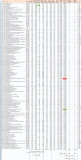
I’ve wanted to make this report right after October ended, but the avalanche of games continued to such an extent that I could not sit and make all the necessary calculations I wanted. But still, the data didn’t change and here it is, my report for October 2021
So, in October alone I’ve repacked a total of
, which equals
.
(82%) of all games were new releases, while
(18%) were updated ones.
The source size of all releases, most of which are scene ISOs, is equal to
, which unpack to a size of
. The average unpacked size of the game comes to about
, while the median size is only
. Median here means that half of the games are larger than 5.1 GB and the rest half are smaller.
When packed, those games take up
, depending on selected components, which is basically
. The minimum average repack size comes to about
, while the median size is only
.
The smallest game of October is
(730 MB -> 220 MB) whereas the largest game is
(105 GB -> 45.5 GB).
The worst compression ratio recorded is for
(9.5 GB –> 7.8 GB, only 17.9% saved), while the best result recorded is for
(10.8 GB –> 859 MB, with a whopping amount of
).
The processing speed was
of original unpacked data per day (
,
), which includes unpacking of original ISOs, analyzing, preparation and compression. Compression writing speed was basically half of those numbers.
Now, let’s check installation timings. Usually, every repack description contains two numbers (from-to), where the fastest one(from) is expected installation on a modern 16-threaded CPU with at least 16 GB of RAM, while the latter(to) is for older 4-threaded CPU with 8 GB of RAM. If the description only contains one number – it signifies that the installation doesn’t depend on CPU threads or it’s fast by default.
Also, stats show that the average repack installation time on a 16-threaded PC is
with median timing being even lower, that is
. For slower machines, those numbers are
. Of course, there are slow installations (
will be killing your PC for two hours on a 4-threaded CPU), but average numbers are pretty low.
Another interesting observation from the mined data is the average data reading/writing speed, which can be calculated from the table. On faster machines with reading speeds at
, the average repack writes at
. This includes internal processing: decompression of data and recompression to the game’s native format. Of course, repacks without recompressed data can read and write at a speed close to your maximum disk throughput, but you can’t really expect a “copy speed” when dealing with more complex repacks.
Slower PC gives you ~
reading and
writing speeds respectively.
If you have a laptop CPU, then you can multiply the installation speed by a factor of 2. If you have an active antivirus, then multiply it by a factor of 1.2-2, but if you have an aggressive antivirus which checks ALL read/write data on the fly, then multiply it by a factor of 2-4. Yes, you guessed it right, being dumb is costly in 2021.
Well, this winds it up. I hope you all find my above small revelations to be insightful and intriguing. I’m planning to repeat this again in a year and compare the future data with my earlier findings – we’ll again dive in and see how game sizes change, what’s up with the installation times, etc.
Yours Sincerely,
FitGirl Mk.21
Screenshots